
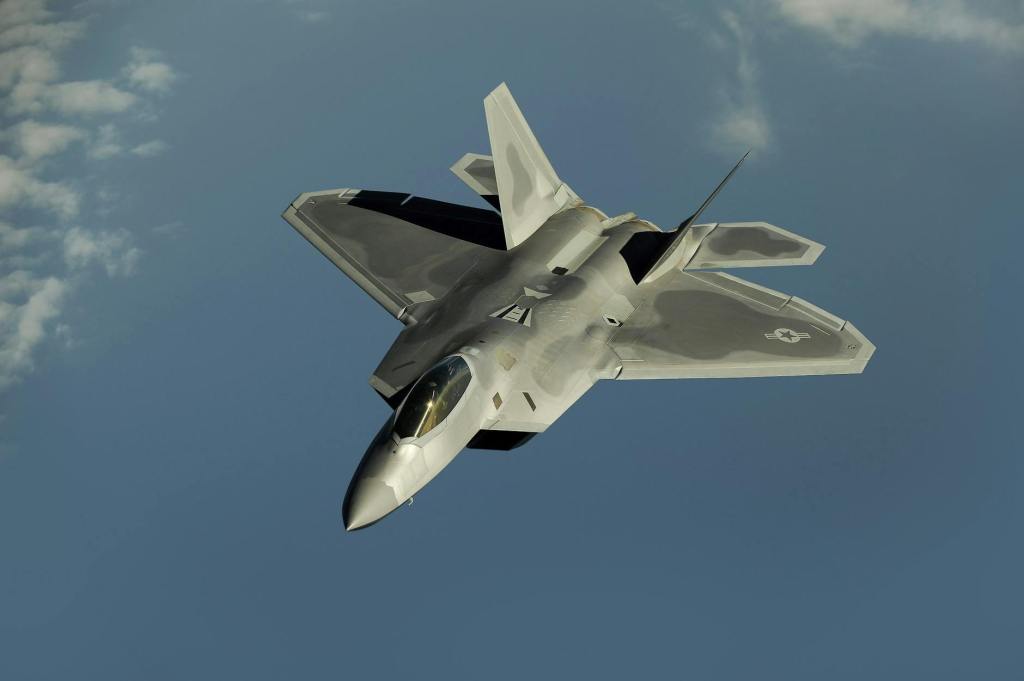
There were no surprises when Israel attacked the nuclear facilities in Iran, what was a surprise was that the Iranians were not prepared to manage the attack last night. Trump had warned that Israel was going to attack Iran and its facilities, when he ordered the removal of all non essential personnel from the diplomatic missions in Iraq. Trump made it quite clear that an attack by Israel was imminent and though thought as a bluff by the Iranian state, Israel’s mission had been telegraphed by the president of the United States.
Cynically you could argue that the attack on Iran is about Netanyahu, especially as his coalition is looking a bit fragile. But it had always been Netanyahu’s ambition to open up the Iranian state militarily and strike Iranian nuclear facilities. The logistics to manage this war are extraordinary and though the Gulf States and Saudis have kept their heads below the parapet, there is a realisation that Israel would not have been able to manage the strikes without an element of coercion from these states. The direct route for Israel to strike Iran would be across Saudia Arabia and across the gulf, but that would be dependent on how the Saudis and Gulf States would accept Israeli Defence Force aircraft flying through their territory. The most likely route for the IDF is through Syria and across Iraq, with US forces whispering quietly as the Israelis attacked the Iranian nuclear facilities.
But it is not so much about how Israel attacked these facilities, it is more about how public and political opinion shifted from the Iranian state. There has been a poverty of arguments coming from the theological, military and political apparatus of the state. It has been the failure of Iranian diplomats to open the doors to a negotiated settlement with the IAEA that enabled and empowered Netanyahu to go after targets in Iran.
Four days ago the International Atomic Energy Agency (IAEA) accused Iran of a flagrant breach of the rules in its refinement of uranium. The failure of the Iranians to manage their diplomats who were in conversations with the Americans and the IAEA, is also a failure of the Iranian state to realise how serious the issues concerning its refinement of uranium had become to the outside world.
Trump had changed his mind concerning US access to the Iranian state, and the negotiation to get a new JCPOA, was an ambition of a president determined to manage the Middle East in a more conciliatory way. But Iran continued to block the negotiations, mainly by taking a leaf out of Putin’s book and negotiating without coming to any conclusion. The factors that have failed the Iranians is their belief that Israel would not act without the US being part of an attacking force, which was a terrible miscalculation.
The failure of the Iranians to realise that the Israelis would attack the Iranian state is also a political failure, where the technocrats who had tried to open the door to the West under President Masoud Pezeshkian had been hinting that they would like a deal before Israel attacked. However, like anything in Iranian politics – his presidency is third tier to the Revolutionary Guard and Ayatollah Khamenei. It has been a disaster that President Pezeshkian doesn’t have a larger voice, especially as he had come to power as a reformer, whose specific aim was to return the Iranian state to the world table.
There is a divide in Iranian politics, the politicians who sit in parliament are a voice among many in the Iranian state, but the real power is equally shared between the Ayatollahs and the Revolutionary Guard. The Supreme head of the state is Ayatollah Khamenei, who since becoming the supreme leader has taken a hard stance in Iranian politics and foreign affairs. Put simply, out of all the Iranian political forces it is the Ayatollahs and Revolutionary Guard who steer Iran.
The short-sightedness of Ayatollah Khamenei has led to a miscalculation and through performative diplomacy his diplomats attempted to build a diplomatic impasse in the hope that the state could build a nuclear device. There have been other failures and that is the way they managed the crises with IEAA and the US negotiators, which led to Israel’s action. There has been a groundswell of support for the Israelis in this war, the failures of the Israeli state in Gaza has been forgotten for a day, but it is the realisation that the Iranian state badly misread the intentions of the Israelis, which has led to the silence of the supreme leader.
The miscalculation by the Iranian diplomats at the talks in Doha, have also been a realisation that the US on the one hand was negotiating with the Iranians in the hope of getting a nuclear deal, but on the other provided the Israelis with the tools to manage an attack on the Iranians. But it was the running down of the clock that has mostly challenged the US negotiators and it was the absolute failure of the Iranians to not take the threat coming from Israel seriously.
Iran does have voices that are supporting the state, but these voices are determined by arguments of finding diplomatic outlets for the Iranian state. When the Saudi’s and Iranian’s came to an agreement, it was China that celebrated that rapprochement. China today argued that Israel had violated the sovereign territory of Iran, Foreign ministry spokesman Lin Jian said that China “firmly opposed any violations of Iran’s sovereignty, security and territorial integrity.” But overall the arguments in support of the Iranian regime are sparse, the only voices that can be heard are coming from Europe, which has asked that the conflict be drawn down and diplomatic channels opened.
The IAEA has said that the “attacks have serious implications for nuclear safety, security and safeguards [and] despite the current […] heightened tensions, it is clear that the only sustainable path forward […] is one grounded in dialogue and diplomacy.” Trump warned that the Iranians had a chance and that was to “return to the talks, before everything is gone.” But the arguments are falling on deaf ears as the Iranians have seen Israel’s attack as an act of war. Netanyahu has been making the rounds with phone calls to Germany, Italy and France, he has been setting out his arguments, but the consensus among the Europeans is that this war needs to come to an end quickly.
There have been no damning verdicts given against Israel, there is just the realisation that Iran had been trying to reach weapons grade plutonium, which would lead to an arms race in the Gulf. The aim of the American’s has been all along to make sure that an arms race in the Gulf did not take place. The US support for Israel has been tense, but Israel’s diplomatic assurances have enabled Trump to once again push for the JCPOA agreement, which is being underpinned by Israel’s attack on Iranian facilities, Revolutionary Guard hierarchy and Scientists have all paid the price for the intransigence of the state. But more than anyone else in Iran, it is Ayatollah Khamenei and the Revolutionary Guard who must take responsibility for their intransigence when given the opportunity to negotiate an outcome that would have proven favourable to the Iranian state.
 Current Affairs
Leave a comment