Russia is going to set out its demands for a cessation to the hostilities in Ukraine in the coming week. The ideas, thoughts and arguments whether there is any workable argument that means Ukraine can accept an agreement is likely to be negated by the smattering of arguments coming from Washington. Whether Trump knows what he is arguing is something different, but what he now has according to intelligence sources is the third world war.
According to sources, China is ramping up its industrial military partnership with Russia and geopolitically it does not make much sense, other than to pressure the US into moving towards Europe, which won’t happen under president Trump. But the ideology behind Xi Jinping’s arguments only make sense from an economic point of view if he is willing to risk China’s position as a major exporter to the West. The reality is that China is as dependent on the West as it is on the oil that it is importing from Russia. But the two edged sword that Xi Jinping is playing with is also a failure to understand how reliant China is on doing business in Europe.
Whether the geopolitical argument that Xi Jinping is putting to his ministers makes sense, there is a wariness among Europeans who are slowly weaning themselves from the arguments of Chinese manufacturers. Though China is a big enough market, the balance of trade signifies that the one way argument of Xi Jinping will begin to hit China harder than he will realise as markets move away from China towards other Asian manufacturers.
There is a lack of growth in the Chinese economy, the internal market hasn’t been put to bed yet, but the arguments that China can suppress the wages of its workers for much longer challenges the logic of where the economy is going. Manufacturers are already moving from China to satellites outside the state, and emerging markets such as Vietnam and India , who are beginning to take up some of the slack as manufacturing hubs. And though China published growth of five percent over the past year, that growth is dependent on exports, because the internal market in China is not expanding as the consumer holds onto their wealth and it is this question which most vexes the state as it cannot continue to grow without consumers spending.
Xi Jinping iron clad agreement to support Russia is running into arguments of whether the West will continue to haemorrhage its hard earned Euro’s on Chinese imports, when products can so easily be sourced from India and Vietnam. The arguments that Xi Jinping has been putting forward are not making sense as Europeans are re-evaluating their relationship with Chinese manufacturers. Questions about whether Europe should continue to accommodate a state that challenges European interests are being asked. Arguments are coming to a head and voices that are normally silent have begun to be heard within Europe about re-evaluating supply chains, investments and the future of the EU markets direction.
The singularity of Xi Jinping’s arguments are leading to a trade off in China’s position as a major player in the worlds economy. Though the PLA (Peoples Liberation Army) has expanded remarkably, there have been deep questions of whether the state has the resources to manage its militarisation. China is moving towards a crises of how it identifies itself, and though Xi Jinping has to live up to his promise that Taiwan would be re-united with the mainland by 2028, there is a realisation that the war in Ukraine has highlighted the superiority of the West’s military machine.
The capital expenditure by the West in support of the Ukrainians has led to a realisation that the overwhelming physical force of Russian army is yet to produce results, which must worry the PLA in its pursuit of becoming a major force in Asia. But it is Xi Jinping’s insistence that Russia and China should have an iron clad agreement that has led to China ramping up its exports of more militarised equipment to Russia., whether this is tooling, gunpowder, shells, drones or other equipment. China is fuelling the war in Ukraine to continue a conflict that it really has no interest in, other than tieing up the Western powers in this war.
Trump needs to take into consideration China’s input into the conflict, but he cannot do this himself, the intelligence agencies have been putting information into the public domain that there has been a ramping up of China’s relationship with Russia. Politically Xi Jinping is moving the Chinese state away from relationships with Western leaning states and this is what has pricked up the ears of the intelligence community recently. Though there have been warnings that China is moving further from the West’s sphere of influence, the ideology of Xi Jinping has enabled and empowered his move towards Russia.
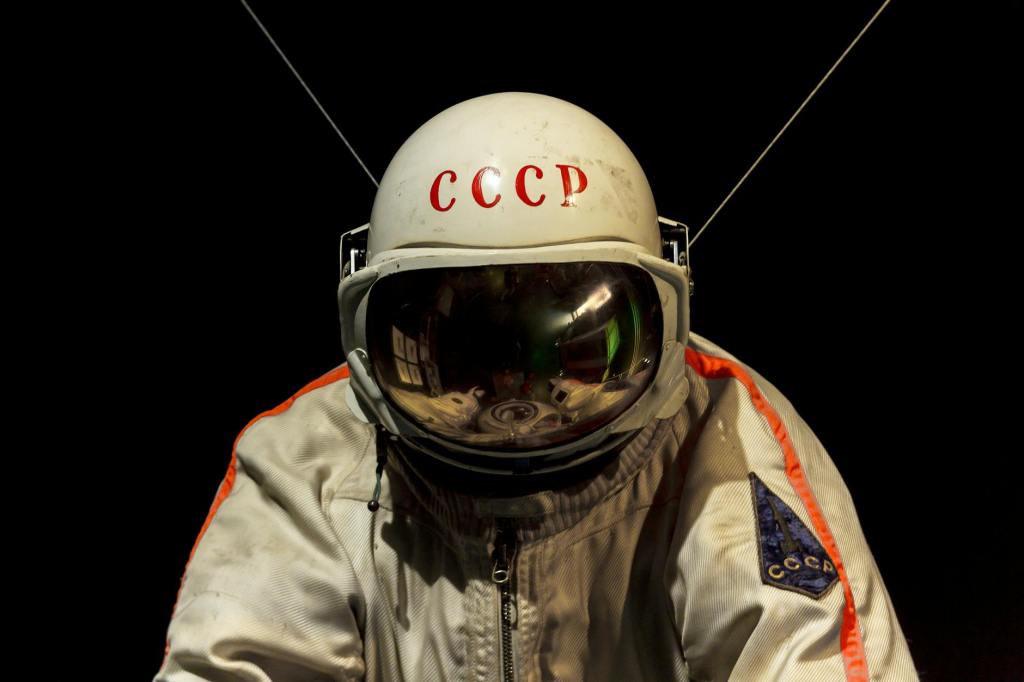
Furthermore, Russia’s insistence that Russians move away from the manufactured goods of the West, (that have been imported through the Gulf), has led to Putin ramping up his anti-Europe rhetoric and challenged his ministers to do the same. Petrov, Medievev and others have pushed on from the rhetoric of Putin and underpinned his powerbase. The ideology in the rhetoric has foundations in a Soviet renaissance and as such, the argument of the position of Europe is being threatened by an imperialist/soviet ideology, which challenges the direction that Russia can take in the future.
This underpinning of arguments of a new soviet union is not a new argument. Russia has been seeking an ideology, which can underpin the powerbase of Putin and the state’s apparatus of government. There is not the ground-swell of support that the state can underpin with this new revolutionary rhetoric, but it does tie into the ideology of Xi Jinping. The push for an empowered politburo, where ideas can be distilled enables the Russians to tie their arguments in with those of its most powerful allie…. China.
It is Trump’s failure to realise the ideological bubble that Putin is putting himself in to create a new quasi imperialist/soviet state. The arguments of the American negotiators are falling on deaf ears as the Chinese and Russians move towards ideological compatibility. It is the failure of the US intelligence community to pick up on the global core of the argument being put forward by Putin and his failure to negotiate that has empowered the Sino-Russian (soviet) alliance that Putin is trying to bring into reality.
Whether Trump realises what Putin is trying to do is really a question of his own cognitive understanding of the alliances that Russia is trying to make with China. The ideology behind what Putin is trying to do is soviet in its inception, but the argument of where Putin’s revanchelist ideology is at this moment, challenges the West and especially NATO on the future of the world order. If Trump does not move fast and shore up the US interests in the Asia pacific and Europe, the ideology that Putin encapsulates will further push the world into arguments of ideology and a world divided once again by a hardcore movement that not only threatens the US but NATO physically.
 Current Affairs
Leave a comment