
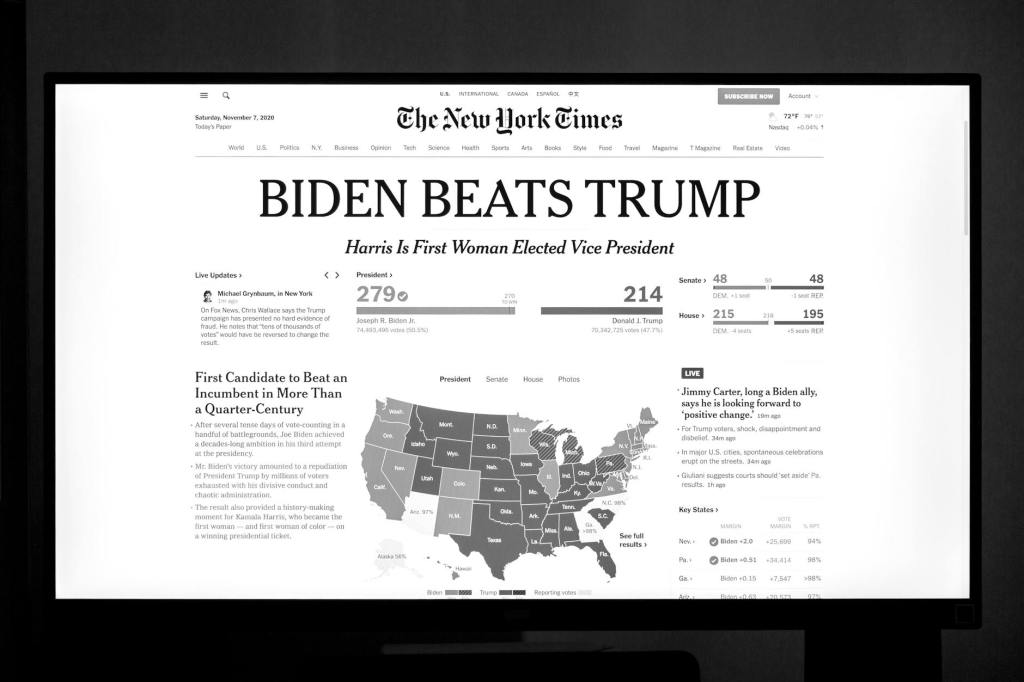
Biden came into power undoing a lot of the Trump policies, but he also set into stone some of the arguments that the democrats had in finding a foreign policy that worked. There have been numerous problems with Biden’s arguments, but at least they were not as confrontational as the former presidents. But however you view the presidency of the United States, there has been a policy shift that has encompassed rather than challenged the friends of the United States.
NATO has moved to the ceiling of two percent spending, with very few exceptions, but it is less to do with the hegemony of the states but rather a fear of Russian ambitions and the unpredictability of Putin. NATO has taken on two new members, Sweden and Finland, which has strengthened the northern borders of the alliance, but questions remain of the ambitions of NATO and whether it can do more to challenge the expansionist arguments of Moscow.
NATO is in a state of flux as the new leader (Mark Rutte) will be coming into the organisation and will bring his own ideas on how NATO goes forward. There is a realisation that the alliance needs to keep strengthening its military abilities and work in unison to support those who find their eastern border threatened by a revanchelist Putin determined to build a greater Russia that existed during the cold war. The underpinning of Ukraine is one of NATOs and Europe’s greatest achievements, the careful language of Biden has at times led to stand off’s with the Russian leadership, but the United States support of Ukraine has proven critical in the long term.
At the start of the war in Ukraine, satellite images proved critical to the readiness of NATO against the Russian offensive, but also the images were used to strengthen the capabilities of the Ukrainians to get their forces in place. It was Biden’s reticence to the initial needs of the Ukrainians that nearly cost them their sovereignty. Luckily for the Ukrainians Britain took the extraordinary risk of supplying the Ukrainians with the necessary equipment they needed for the early days of the war, which led to the confidence of other NATO members to supply the Ukrainian state with the military and humanitarian equipment that it needed.
The slowly, slowly process that has led to Ukraine getting the equipment to defend itself has led to a realisation that Ukraine needs a lot more and will continue to lose its most important members of society in this war. NATO countries are forced to passively observe the war on Europe’s doorstep but have provided the weapons, logistics and aid necessary for Ukraine to defend itself. The idea of peace is quite some distance, what could be acceptable to Ukraine and Russia, is dependent on how Russia see’s the war ending. Russia has been forced to enlarge its defence spending to 7 percent of GDP and is haemorrhaging a 1000 military personnel a day in the meat grinder that is Ukraine, but at the moment neither side seems to want to come to the table for talks.
Though the United States has now opened their doors to a more open diplomatic stance from the ‘One America’ policy of Trump, the policies that Biden inherited have not quite gone away. The failure of Afghanistan to stand against the Taliban and fight, has led to tremendous hardship for the Afghans living under Taliban rule. But the removal of US forces from Afghanistan was a case of following on from the negotiations of Trump’s government. The debacle that was the withdrawal led to scenes of desperation and chaos and punctuated by extreme violence, which has led to a foreign policy that has redirected the focus of the United States from the problematic questions of the Middle East, especially Afghanistan. It is with sadness that many Afghan’s find themselves in a chaotic state without security. Women have been forced from the centre of a more liberal state, which encouraged education and employment to the periphery, where they have no employment and their civil rights are severely curtailed.
The failure of the Biden government to get new nuclear non-proliferation agreements has led to some sabre rattling from the likes of Putin, even though START talks with Putin took place at the beginning of Biden’s presidency. But the non nuclear proliferation talks with Iran that Trump destroyed have fallen by the wayside and it has proven impossible to continue the JSPOA, which started with Obama and ended with Trump. The relationship between the United States and Iran is in a flux, neither side able to hold a conversation and attacks on US bases in the Middle East have become routine, which has forced the White House to continue concentrating on the events that are happening right across the Middle East and North Africa. The conversation that is needed challenges the arguments coming from the Middle East, especially Israel, which believes it is on the verge of a war with Hezbollah, which it sees as part of a tripartite pact that is threatening the state.
Though Biden has to a degree found himself trying to end the forever wars in the Middle East, he finds American foreign policy more focussed on the region than ever before. His support for Israel after the 7th October attack has been unwavering, to the detriment of the Palestinians. But the Middle East is complex and simple at the same time, and it has been America’s inability to understand the continued uprising of the Palestinians to Israeli military rule that sparked the 7th October attacks. The inability of the United States to manage their alliance with Israel in a more even handed way has led to a protracted conflict, which has proven very difficult to negotiate a peace. The Abraham’s accord challenged the Palestinians and though a catalyst to the 7th October attacks by Hamas, the Abraham Accord has not yet fallen apart. But it is the intransigence of Biden that has led to questions of how he views Israel in its current form and whether he views the state through a historical perspective where the state was threatened externally by armies on all its axis. There have been 40,000 deaths in Gaza, and it has been America’s failure to place pressure on the Israeli state that has lead to the deaths of women and children. Without an agreement in Gaza, the question of peace will remain a question, which the Palestinians in Gaza and the West Bank and the Israeli’s will find challenging for some time to come yet.
Though Biden continued to impose a lot of Trump’s policies concerning China, there has been a thawing of the arguments that challenged the relationship. But the question of Taiwan still rankles Beijing, Nancy Pelosi’s trip to Taiwan challenged China and led to a realisation that China would be faced with an aggressive United States, rather than an enfeebled Biden. The red lines China put in place have been crossed, but ultimately the diplomacy and realisation that the US would not back down from a confrontation with China was realised and more important question of trade between the two states became the focus rather than the elections or Pelosi’s visit to Taiwan.
The relationship between Biden and Xi at times has been confrontational, but there has been a thawing of the relationship between the two states as trade barriers have been lifted and a semblance of cooperation has been found. Common ground has been found in Africa, where there has been a push to invest, which has led to some developments where China and US interests have come together leading to a thawing in the US/China competition. But it is also an easing of the trade agreements between China and the US that has led to China re-imaging its diplomatic approach, the Wolf Warriors for the time being have been put back into their lairs and careful diplomacy has taken place instead of the confrontational and hyper aggressive policies that took place at the end of Trump’s presidency and the beginning of Bidens.
There has been a realisation that under Biden the US would be more proactive on the international stage. Agreements have been reached and under Biden a New Deal has been realised with investment in Green infrastructure and re-entry into the Paris Accord after Trump moved away from the environmental argument.
America is a very different nation under Biden, the Trump policy of America First has been put into a corner and a more inclusive America has emerged, which has not only shored up allies but also led to a less fearful world even though there are conflicts in Europe and the Middle East. The arguments of populism to a degree have been replaced by ideologies that have been more inclusive and the foreign policies of NATO, Europe and ASEAN have moved from being stubbornly isolated from US involvement under Trump into a more inclusive agreement among its membership. However there are issues which need addressing and that is whether Biden understands the Middle East or whether he is hamstrung from his years in Congress where he blindly followed arguments that matched his ideological stance. What happens after the Biden presidency will be very much dependent on who wins the next election, but to a degree Biden has tightened up the alliances that America had with the world before Trump.
 Current Affairs
Leave a comment