
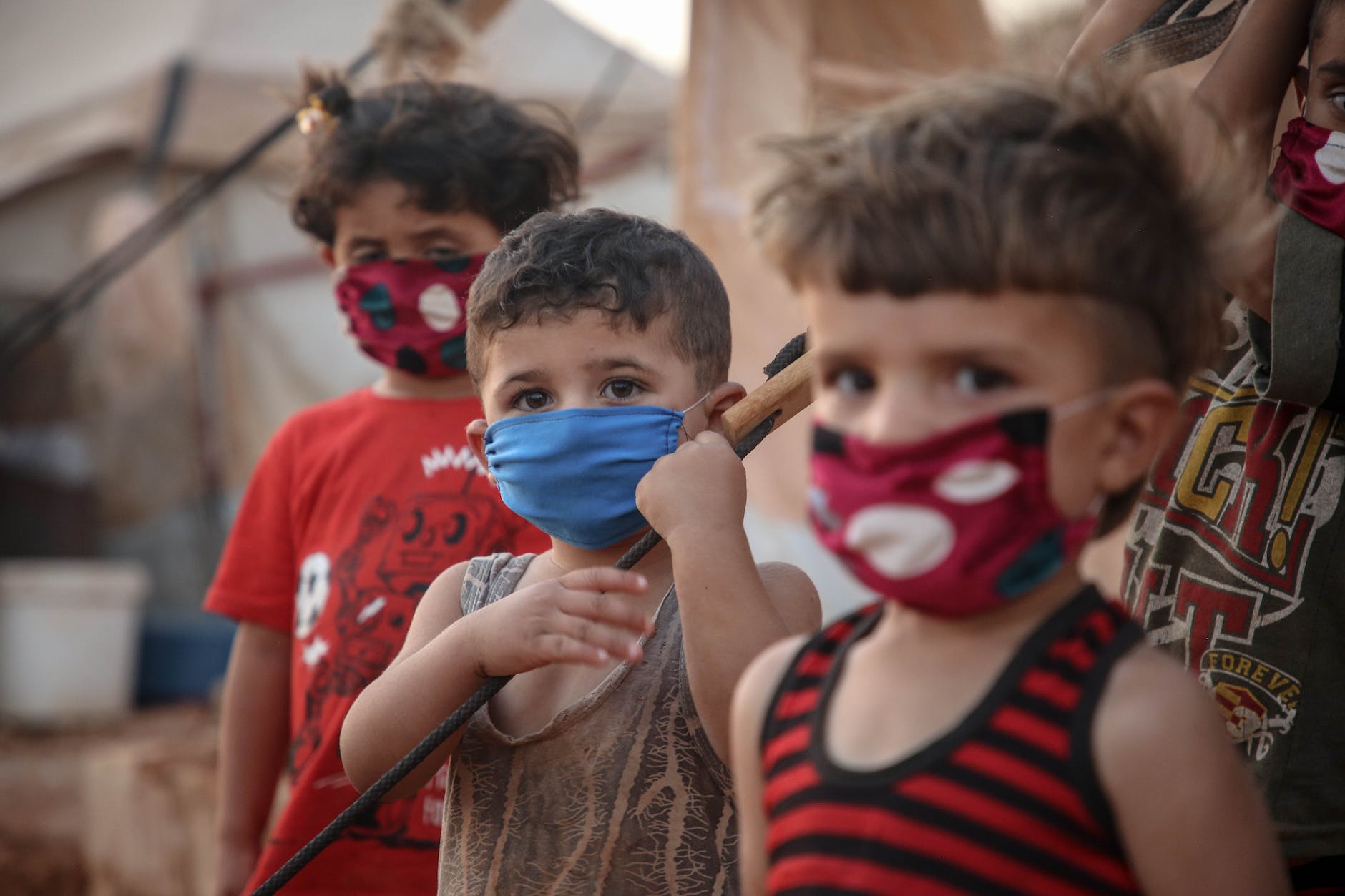
According to Human Rights Watch, between April and May there have been 2000 Syrian refugees forcibly returned to Syria from Lebanon. They were undocumented, but that hides the real reason that Syrian’s are being forcibly returned. Since 2013, donors have disbursed $13 billion for the 1.5 million refugees who have entered Lebanon to escape the war.
The living standards of those vulnerable has declined with high unemployment rates, rising inflation, collapsing public services and a financial crisis. Most refugees just cannot access public services or access basic rights as they are illegal. Because of their legal status, they work in informal jobs, which means they earn $2.50 per day and two thirds are food insecure, half of the refugees are unable to pay rent on time and average house hold debt is equivalent to over 6 months of expenditure.
A World Bank report estimates that between 2012-2014, the conflict in Syria cost the Lebanese economy 2.9% per annum and doubled the unemployment rate to 20%. The influx of refugees has put pressure on the infrastructure, government services and put pressure on the budget and national reserves of Lebanon.
Ziad Makati, speaking on NPR, said that he was unaware of the deportations. He argued that all the Lebanese government was doing was a survey of the refugees. Maybe it is because the UN and rights groups argue that it is against international law to deport refugees when they are unwilling to leave on their own. Aya Mazjoub from Amnesty International interviewed by NPR, “says it is illegal to force anyone back to a country where they are in danger or face persecution.”
The arrests of Syrian refugees in Lebanon is not uncommon, but what is happening is that the arrests are now leading to deportation. In an article in the Guardian dated 27 June 2023, the authors detail an event where refugees have built a life fixing air conditioners, Mohannad was arrested and deported to Syria, where today he is serving in the army.
The Lebanese said that they would repatriate refugees, politicians believe that refugees offer nothing to the economy and now that Syria has been welcomed back into the Arab League, they can begin taking the steps to repatriate. Human rights watch documented Lebanese armed forces removing hundreds of Syrian refugees to the border with Syria, some of those were documented refugees, but it made no difference. Sarah Taleb of the Access Centre, Beirut said that the refugees are living in fear, keeping their kids out of school and not answering their phones.
The UNHCR believes Lebanon is hosting 1.5 million Syrians, 17,000 from Iraq, 200,000 from Palestine and many other nationalities. They argue that such a small country hosting so many refugees in an “economic crisis, high unemployment, pressure on infrastructure and environmental” challenges the Lebanese and social stability. The UNHCR argues that it grants access to legal assistance for temporary residency. But the Lebanese government are ignoring the legality of the Syrian refugees and deporting them whether they have legal rights or not.
According to Reuters, Syrians who have been forcibly deported from Lebanon are being forced into the Syrian army. Access Centre for Human Rights, “said that it had documented the detention of […] deported Syrians being forced to join the Fourth Division.” The Fourth Division is a paramilitary unit, which includes warlord structures and organised crime. The UN Commission of Inquiry, said “that Syria is still not a safe place to return to.”
Amnesty’s regional deputy director, Aya Majzoub, argued that the “deportations were accompanied by a wave of hate speech, restrictive measures […] and comments by officials” who created a “coercive environment.” According to Human Rights Watch, one person that they interviewed documented that they had been taken to Syria’s Branch 235 Prison with 12 others. They had been “severely tortured, including electric shocks, being beaten with a water pipe and hung from the ceiling by their hands.”
Human Rights Watch said that none of the deportees was given the right to challenge their deportation. Six of the deportees reported that they had been abused, beaten, threatened, sexually harassed and degraded, which included being slapped, blindfolded and forced to stand for hours.
Human Rights Watch argues that the deportations are a breach of Lebanon’s obligation to the UN Convention Against Torture and the international law’s principle of nonrefoulment, which means that refugees cannot be forcibly returned where they face a clear risk of torture or other persecution.
Human Rights Watch said that the Lebanon governments funding of the Armed Forces should “press the military to end deportations of Syrians.” But the economic situation has led to some hard arguments coming from the Lebanese, in May, the Ministry of the Interior ordered local authorities to document every Syrian. A federation of Trade Unions launched a campaign to liberate Lebanon from Syrians, and according to Diana Hodali, the current Social Affairs Minister, Hector Hajjar, has warned of “dangerous demographic changes” and that “Locals will become refugees in our own country.”
Interviewed by DW, Anna Fleischer who heads the Heinrich Boll Foundation said that politicians are “campaigning against the Syrian refugees to distract from their own failings.” She also argues that “Its far easier for local politicians to scapegoat Syrian refugees” for the financial crisis. According to ACHR, Syrian authorities have paid smugglers to return deportees back to Lebanon, because they are not in any position to take them back.
But there are other arguments, Syrians have been working in agriculture even before the war, as paid labourers. They have also brought a lot of Aid money into the country and have also provided cheap services for all types of industries in Lebanon. But because of the financial crisis and Syria’s invasion of Lebanon in the 1990’s through to 2,000 they are looked at with some hostility. But it is the financial crisis that seems to be the catalyst for the uptake of prejudice faced by Syrians in Lebanon.
There are refugees who are afraid for their future. In the Middle East Eye, they documented the story of Ghassan who posted a TikTok appealing to the international community about how and why they had become refugees. This only led to fear and he moved his family from one refugee camp to one in the north. “I’m afraid. I do not want to lose my children and my mother because of my words. I am tired. I can no longer bear the situation for fear of deportation.”
The situation in Syria, is by no means safe for the refugees, the economy hardly exists, the war is still going on and the Assad regime tortures and executes those that have been vocal in their opposition to the regime. Others who have deserted the army are tortured and killed and the young are forced into military service. Education is non existent and the infrastructure has been so damaged by the war that the Syrian government just cannot cope with an influx of the refugees. But it is the voice of Ghassan, who is tired and scared, “the Syrian regime threatened me. If I am deported, I will be imprisoned in the darkness of prisons or executed.”
 Current Affairs
Leave a comment